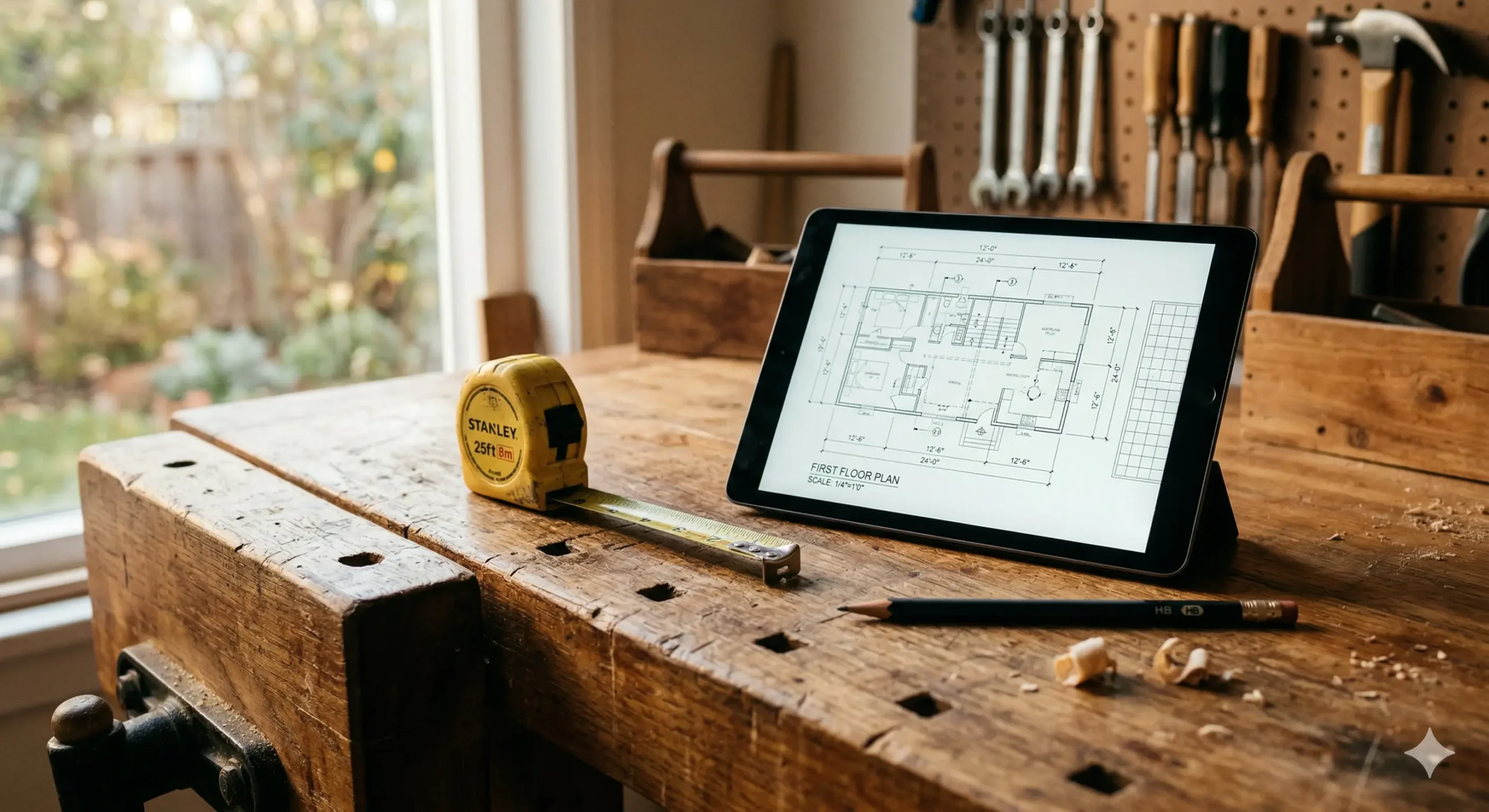

Bringing the Digital Toolbox to the Jobsite
For most contractors, the real work happens with a hammer, a wrench, or a paintbrush in hand. However, the administrative side of the business—the bidding, the scheduling, and the endless client emails—can often feel more exhausting than the manual labor itself.
In 2026, artificial intelligence isn’t just for tech companies in Silicon Valley. It has become a practical, cost-effective way for independent contractors and small construction firms to reclaim their time. Best of all, many of these tools offer powerful free versions that fit perfectly into a growing business budget.
At livetrackersxyz.com, we believe that the right technology should act like a specialized sub-contractor: efficient, reliable, and easy to work with. Let’s look at how you can use free AI to make your daily operations smoother.
1. Communication and Client Proposals
The first impression a client gets often comes from your written communication. If you’re responding to inquiries after a ten-hour shift, your emails might be shorter or less professional than you’d like. AI writing assistants like ChatGPT or Claude can help bridge that gap.
You can feed these tools a rough set of notes, such as “Kitchen remodel, granite counters, start next Tuesday, 50% deposit needed,” and ask it to draft a polite, professional proposal. It’s like having an office manager on call 24/7 who never gets writer’s block.
These tools are also excellent for translating technical jargon into plain English. If you need to explain to a homeowner why a specific structural beam is necessary, the AI can help you draft an explanation that is clear, authoritative, and easy for a non-expert to understand.
2. Smarter Scheduling and Time Management
Managing multiple jobsites and sub-contractors is a logistical puzzle. Free AI-powered scheduling tools, such as the basic tiers of Reclaim.ai or Clockwise, can automatically protect your time. They sync with your digital calendar to ensure you aren’t overbooked.
For example, if a client meeting runs over, these tools can automatically shift your “admin time” or “tool maintenance” blocks to a later slot. This prevents that feeling of constantly being behind schedule before the week has even truly started.
By automating the scheduling of recurring tasks—like following up on unpaid invoices or ordering materials—you ensure that the small but critical details don’t fall through the cracks of a busy project.
3. Visual Documentation and Measurements
Estimating materials is a high-stakes game. Overestimate, and you lose the bid; underestimate, and you lose your profit. While professional-grade takeoff software can be expensive, several apps are using AI and LiDAR technology on smartphones to provide remarkably accurate free measurements.
Apps like Magicplan or the free version of Polycam allow you to scan a room with your phone camera. The AI interprets the visual data to create a floor plan or a 3D model. This is an incredible tool for showing a client what a finished space might look like before you even pick up a crowbar.
Comparing a hand-drawn sketch to an AI-generated 3D room scan can be the difference-maker when a client is deciding between you and a competitor. It demonstrates a level of modern professionalism that builds immediate trust.
4. Organizing the Paper Trail
Contractors are often buried in receipts, change orders, and permits. AI document scanners like Adobe Scan or Microsoft Lens use optical character recognition (OCR) to do more than just take a picture. They identify the text and numbers within the document.
This means you can search your digital files for a specific keyword—like “drywall invoice” or “plumbing permit”—and find it in seconds. No more digging through the glove box of your truck for a piece of paper you saw three weeks ago.
Tips for Implementing AI on the Job
- Start Small: Pick one repetitive task, like drafting follow-up emails, and use AI for that one thing for a full week.
- Fact-Check the Numbers: AI is great at words, but always double-check its math for material estimates. Your tape measure is still your best friend.
- Keep Client Privacy: Don’t put sensitive client information like gate codes or personal phone numbers into public AI chat tools.
- Use Voice-to-Text: Most AI tools have excellent voice recognition. Speak your notes while driving between jobs to keep your hands on the wheel and your mind on the work.
The Bottom Line
The goal of using AI in the contracting world isn’t to replace the craftsman; it’s to support them. By offloading the “busy work” of professional writing, scheduling, and document management to free digital tools, you can focus on the quality of the build.
Technology should make your life easier, not more complicated. Start with one or two of these free options, and you’ll likely find that the extra hour you save each day is the most valuable tool in your kit. As your business grows, these digital foundations will make scaling up a much smoother process.