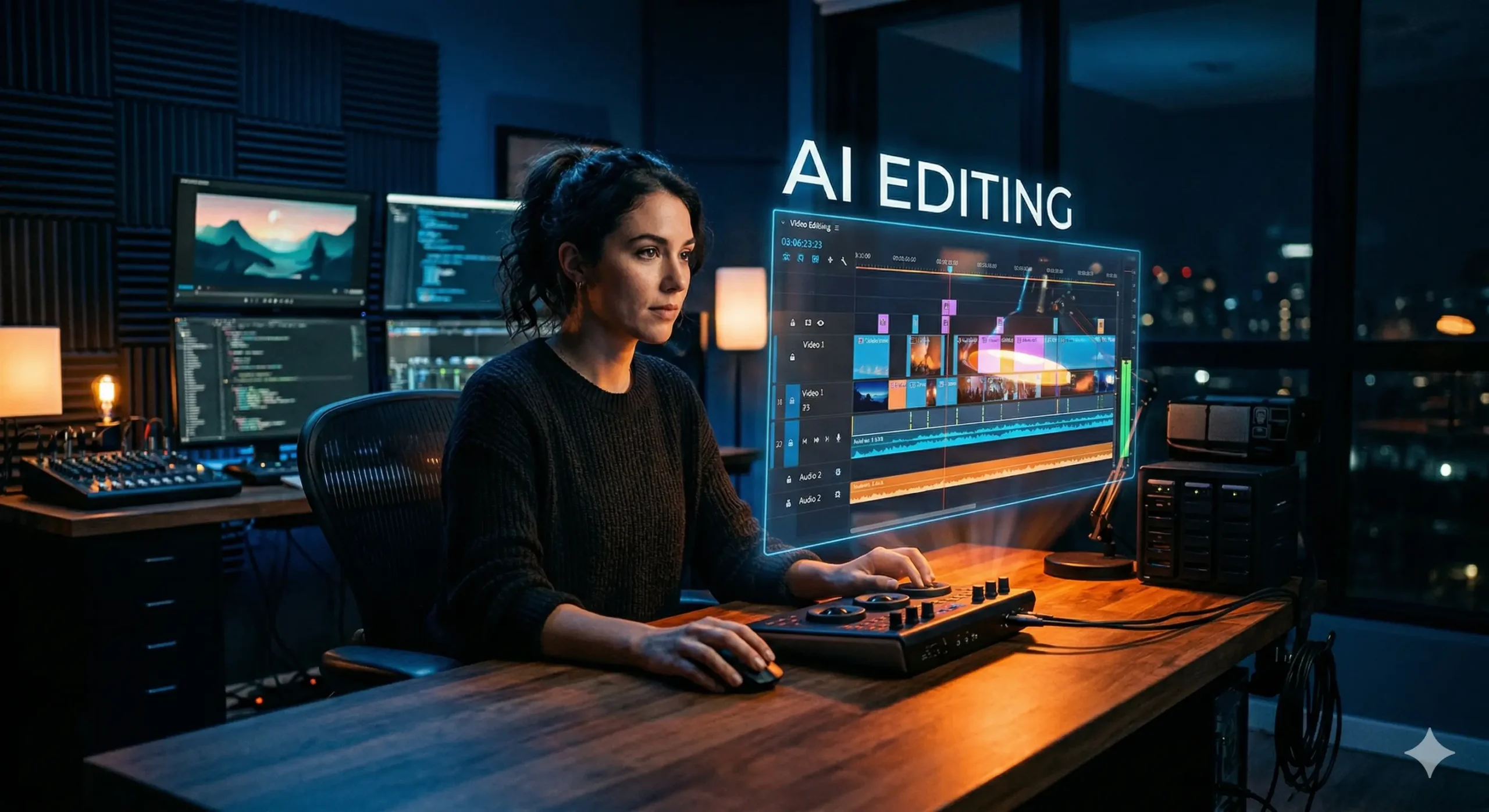
The New Era of Video Creation
The landscape of digital storytelling is undergoing a massive transformation as artificial intelligence enters the workspace. For many creators, the task of sorting through hours of raw footage often feels like a daunting chore.
AI tools now offer a way to streamline these repetitive tasks, allowing you to focus more on your unique creative vision. At livetrackersxyz.com, we believe that understanding these tools is the first step toward modern content mastery.
In this guide, we will explore how you can leverage these new technologies to enhance your video content and save valuable time. Whether you are a hobbyist or an aspiring professional, the potential for growth is significant.
Understanding AI Video Editing
At its core, AI-driven editing uses machine learning algorithms to recognize patterns in your video and audio data. These systems can identify faces, understand speech, and even detect changes in lighting or motion.
Think of it as having a digital assistant that has already watched every second of your footage and categorized it for you. This foundational step removes the friction that often stops beginners from finishing their projects.
For example, instead of searching for a specific moment in a two-hour recording, you can simply search for a keyword in the generated transcript. The software will then jump precisely to that moment in the timeline.
The Rise of Text-Based Editing
One of the most revolutionary features available today is text-based editing, which treats your video like a written document. You can delete a sentence from the transcript, and the corresponding video clip is instantly removed.
This approach is perfect for talking-head videos, interviews, and educational tutorials where the spoken word is the primary driver. It simplifies the editing process by making it as intuitive as using a word processor.
Imagine you have a long take where the speaker stumbled over a specific phrase several times. You can quickly highlight the mistakes in the text and hit delete, leaving only the perfect delivery behind.
Core Features to Enhance Your Content
Beyond simple cuts, AI excels at improving the sensory quality of your projects by addressing common technical issues. These features often produce results that would take hours to achieve manually using traditional methods.
Audio enhancement is perhaps the most impressive application, as it can isolate a speaker’s voice from chaotic background noise. If you record a vlog in a busy city square, AI can make it sound like it was captured in a studio.
Furthermore, color matching across different cameras has become remarkably accessible for those who may not have a background in color theory. The AI analyzes the lighting and ensures a consistent look throughout your video.
Smart Reframing for Social Media
In today’s multi-platform world, you often need to export your video in different aspect ratios for YouTube, Instagram, and TikTok. Traditionally, this required manually moving the frame to keep the subject in view.
AI-powered smart reframing automatically tracks the most important action in the shot and keeps it centered. This ensures that your content looks professional regardless of whether it is viewed on a widescreen or a vertical phone.
For instance, if you are filming a person walking across a park, the AI will pan the shot automatically to follow them. This feature allows you to produce content for multiple platforms without doubling your workload.
A Roadmap for Beginners
Starting your journey with AI might feel overwhelming at first, but following a structured path can make the learning curve manageable. Here is a simple roadmap to help you integrate these tools into your current workflow.
- Identify the repetitive tasks in your current editing process that take the most time.
- Research and select an AI-powered editor that fits your specific content niche, such as social media or documentary.
- Begin by using automated transcription to organize your thoughts and identify the best takes.
- Apply AI audio cleanup to ensure your message is clear and professional for the audience.
- Experiment with generative B-roll or visual effects to fill gaps where you might be missing footage.
Comparing Traditional vs. AI Workflows
To better understand the value of these tools, it is helpful to see how they stack up against older, manual methods. The following table highlights some of the most common differences creators experience during production.
| Editing Task | Traditional Manual Method | Modern AI Method |
|---|---|---|
| Trimming Filler Words | Manual scrubbing and cutting | Automated one-click removal |
| Captions/Subtitles | Manual typing and timing | Instant speech-to-text generation |
| Object Removal | Frame-by-frame masking | Generative content fill |
| Background Music | Searching stock libraries | AI-generated custom tracks |
The Balance Between AI and Human Creativity
While these tools are powerful, it is important to remember that they are meant to assist you, not replace your creative voice. The best videos still rely on a human touch to provide emotional resonance and storytelling nuance.
AI can suggest a cut or a color grade, but only you can decide if it feels right for the message you want to convey. Use these tools to handle the “heavy lifting” so you can spend more time on the art of the story.
Consider AI as a sophisticated paintbrush; it can help you apply color more evenly, but you are still the artist holding the handle. Maintaining this balance ensures your content remains authentic and relatable to your viewers.
Dealing with the Learning Curve
As with any new technology, there will be a period of trial and error as you learn how to get the most out of these systems. Do not be discouraged if your first few attempts do not yield perfect results immediately.
Focus on one feature at a time, such as mastering automated captions before moving on to complex generative effects. This incremental approach builds confidence and prevents you from feeling buried by the software’s capabilities.
Most modern platforms offer extensive tutorials and community forums where you can learn from other creators. Engaging with these resources can significantly speed up your proficiency and spark new creative ideas.
Future Trends in AI Editing
The technology is evolving at a rapid pace, with new features being released almost every month. We are moving toward a future where “generative video” will allow creators to expand scenes or change weather conditions with a simple prompt.
Imagine being able to change a cloudy day to a sunny afternoon during post-production without it looking artificial. These advancements will lower the barrier to entry for high-end cinematic production even further.
Staying informed about these trends through sites like livetrackersxyz.com will help you remain competitive. The more you understand the direction of the industry, the better you can adapt your skills for long-term success.
Concluding Your Journey
Embracing AI in your video editing workflow is about more than just speed; it is about expanding what is possible for your brand. By removing technical barriers, you open the door to more frequent and higher-quality uploads.
Take the time to explore the tools available and find the ones that resonate with your personal style. The goal is to make the editing process as enjoyable as the filming itself, leading to a more sustainable creative life.
As you move forward, keep experimenting and stay curious about the new possibilities that technology provides. Your audience is waiting for the unique stories that only you—with a little help from AI—can tell.