The New Era of Fleet Oversight
Managing a fleet of vehicles has always been a complex puzzle involving logistics, mechanical health, and human behavior. In the past, managers relied on historical data and gut instinct to keep things moving. Today, that landscape is shifting rapidly.
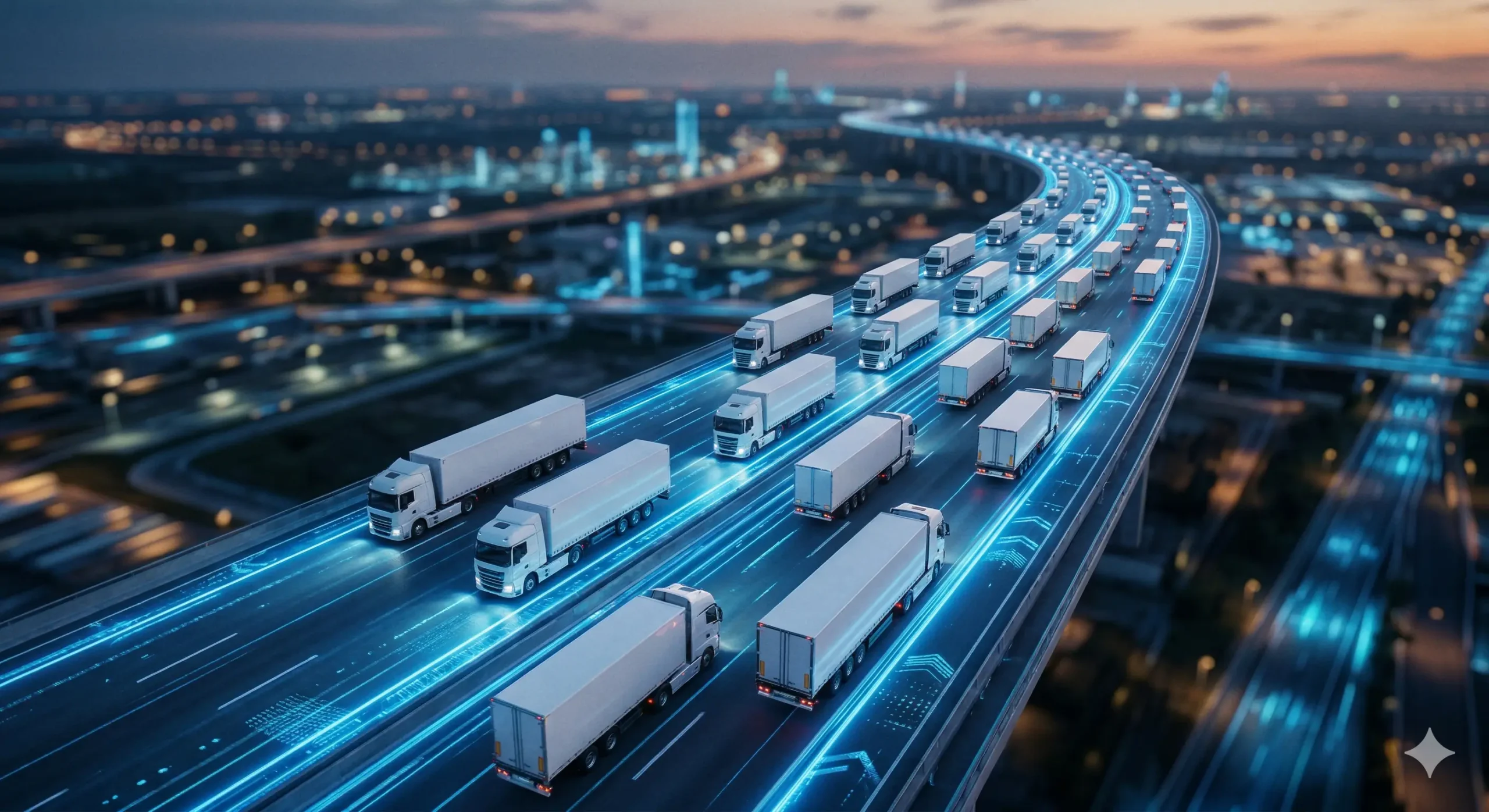
Artificial Intelligence (AI) has moved from a futuristic concept to a daily tool for dispatchers and fleet owners. It acts as a digital nervous system, connecting every vehicle to a central brain that processes information in real-time.
For curious learners, understanding this technology starts with a simple premise: AI isn’t here to replace the driver. Instead, it is designed to remove the guesswork from one of the world’s most unpredictable industries.
Predictive Maintenance: Fixing Problems Before They Happen
Think about the last time a car broke down unexpectedly. It usually happens at the worst possible moment. For a business, a single truck sitting on the side of the road can cost thousands of dollars in lost time and repairs.
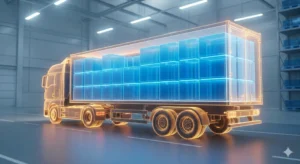
AI tools use sensors to monitor the health of engines, brakes, and transmissions. They look for tiny patterns, such as a slight increase in vibration or a subtle rise in temperature, that a human mechanic might never notice during a routine check.
By analyzing this data, the system can predict a part failure weeks before it happens. This allows the fleet manager to schedule a repair during natural downtime, ensuring the vehicle stays on the road when it is needed most.
Consider it like a health tracker for a truck. Just as a smartwatch might warn you about an irregular heartbeat, AI warns a fleet manager about an irregular alternator before the truck refuses to start on a cold morning.
Smart Route Optimization and Real-Time Adjustments
Standard GPS tools have been around for decades, but AI-driven route optimization takes things much further. While a regular GPS finds the shortest path, AI finds the most efficient path based on a dozen different variables.
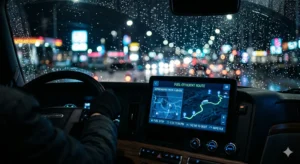
These systems account for live traffic, sudden weather changes, and even the time of day a specific warehouse is busiest. If a sudden accident blocks a highway, the AI recalculates the entire fleet’s movements to minimize the ripple effect.
This goes beyond just saving time. Efficient routing reduces idling and unnecessary miles, which directly translates to lower fuel costs. For a fleet of fifty trucks, even a 5% improvement in route efficiency adds up to massive annual savings.
Imagine a delivery driver who usually spends twenty minutes circling for a spot. AI tools can now predict parking availability or suggest delivery windows that avoid the worst local congestion entirely.
Enhancing Driver Safety and Coaching
Safety is perhaps the most significant benefit of AI in fleet management. Modern AI-powered dashcams do more than just record the road; they actually “see” what is happening inside and outside the cab.
Computer vision algorithms can detect if a driver is showing signs of fatigue, such as frequent yawning or heavy eyelids. They can also spot distracted driving behaviors, like looking down at a mobile phone or reaching for a snack.
When the system detects these risks, it can provide an audible alert to the driver. This immediate feedback helps prevent accidents before they happen, keeping both the driver and the public safe on the highway.
Furthermore, these tools provide objective data for coaching. Rather than criticizing a driver based on a feeling, managers can use specific data points to help drivers improve their habits and professional skills over time.
The Impact on Fuel Efficiency and Sustainability
Fuel is often the largest variable expense for any logistics company. AI helps manage this cost by monitoring driving habits like harsh acceleration, excessive idling, and high-speed cruising that burns through diesel.
By providing drivers with real-time coaching on how to drive more smoothly, companies see a significant drop in fuel consumption. This doesn’t just help the bottom line; it also reduces the carbon footprint of the entire operation.
Moving toward a greener fleet is becoming a requirement for many modern businesses. AI provides the hard data needed to prove that a company is meeting its environmental goals while remaining a profitable enterprise.
Comparing Traditional vs. AI-Enhanced Management
To better understand the shift, we can look at how specific tasks have evolved over the last few years through the implementation of these smart technologies.
- Maintenance: Traditionally reactive (fix it when it breaks); AI is proactive (fix it before it breaks).
- Routing: Traditionally static (follow the map); AI is dynamic (adjust for live conditions).
- Safety: Traditionally retrospective (review after an accident); AI is preventive (alert during a risk).
- Data: Traditionally siloed in logs; AI is integrated into a single dashboard for instant viewing.
The Future of the Industry
As we look toward the future, the integration of AI will only deepen. We are already seeing the early stages of autonomous features that assist drivers during long, monotonous stretches of highway driving.
While the technology sounds complex, the goal remains simple: to make the world of logistics more predictable. When we can predict maintenance, traffic, and safety risks, the entire supply chain becomes more resilient.
For those entering the industry or looking to modernize, embracing these tools is no longer optional. They are the key to staying competitive in a world where speed and reliability are the most valuable currencies.
Ultimately, AI in fleet management is about empowering people. It gives managers better information and gives drivers better support, ensuring that every journey is as safe and efficient as possible.