
The Invisible Cost of Waiting
In any industry—from software development to large-scale construction—time is more than just a number on a clock. It is the single most volatile resource we manage. When a project slips by just a few days, the financial and reputational costs begin to snowball.
Historically, project managers relied on experience and manually updated spreadsheets to keep things moving. However, human intuition can only track so many variables at once. This is where Artificial Intelligence has stepped in to act as the ultimate early-warning system.
At livetrackersxyz.com, we are seeing a fundamental shift in how teams handle deadlines. AI isn’t just about working faster; it’s about seeing the roadblocks before you actually hit them. Let’s explore the specific ways this tech is ending the era of the ‘chronic delay.’
Predictive Risk Assessment
The most common cause of a delay isn’t a single catastrophic event; it’s a series of small, unmanaged risks. AI tools can now analyze decades of historical project data to identify patterns that lead to trouble.
For example, an AI might notice that every time a specific supplier is used during the winter months, material delivery slows down by 15%. Instead of being surprised by a late shipment in January, the system alerts the manager in October to adjust the schedule.
By moving from reactive management to proactive planning, teams can mitigate risks before they materialize. It’s like having a weather forecast for your project’s lifecycle, allowing you to pack an umbrella before the first drop of rain falls.
Automated Resource Levelling
Projects often stall because of ‘bottlenecks’—situations where one person or machine has too much to do while others sit idle. AI algorithms excel at balancing these workloads across an entire team in real-time.
Imagine a software team where the lead developer is overwhelmed with bug fixes. The AI can analyze the skill sets of the entire team and automatically suggest reassigning lower-priority tasks to other capable members to clear the path.
This constant, automated adjustment ensures that no single point of failure stops the entire train. It keeps the flow of work steady, which is much more efficient than bursts of intense activity followed by periods of waiting.
Real-Time Data Integration
Delays often happen because of a gap between what is happening on the ground and what the manager see on their dashboard. AI closes this gap by integrating data from IoT sensors, mobile apps, and even drone footage.
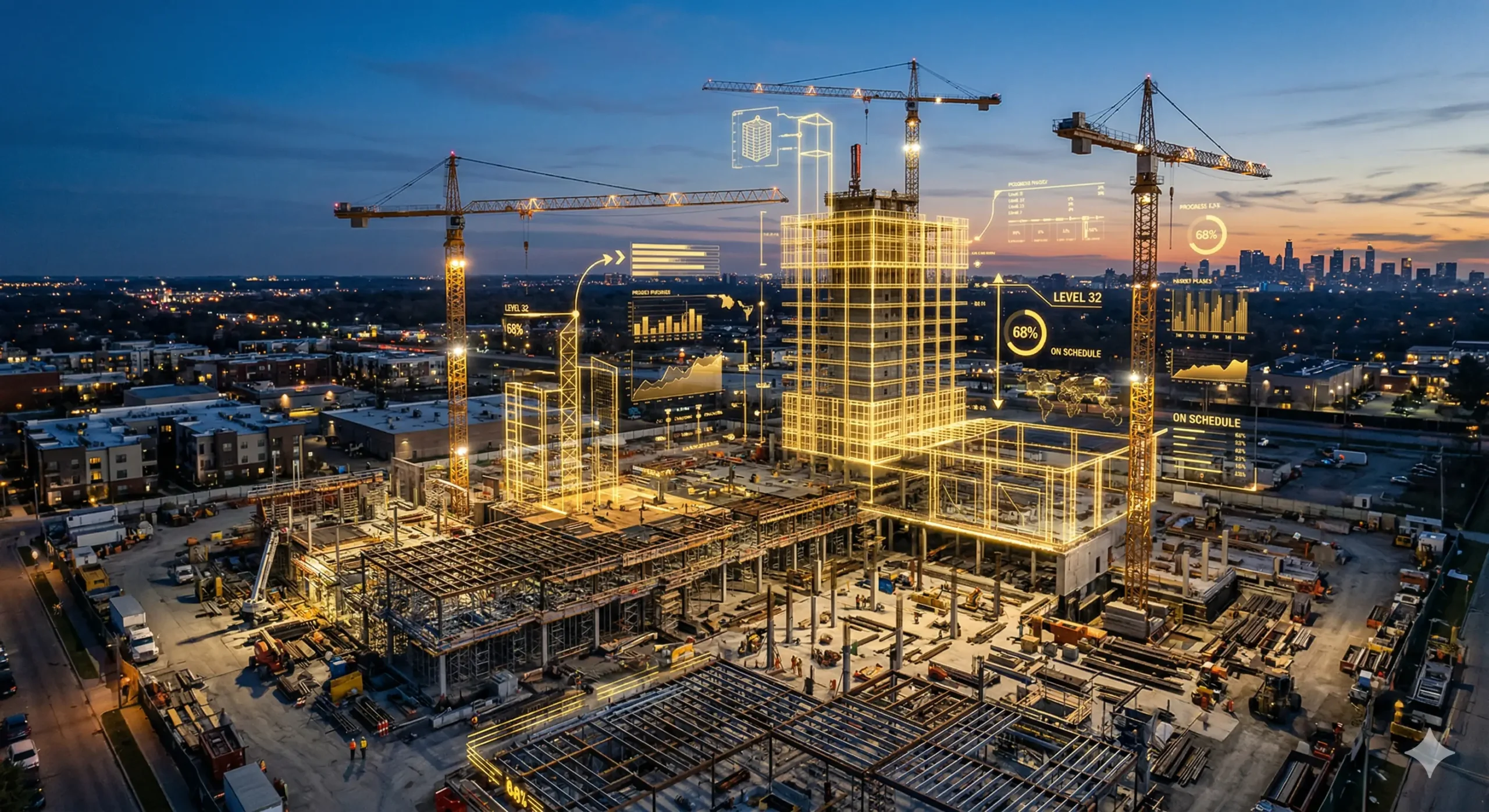
A quick example: If a concrete pour on a job site is delayed by rain, sensors can feed that data directly into the AI. The system immediately updates the schedules for the electricians and plumbers who were supposed to arrive the next day, preventing them from showing up to a site that isn’t ready.
| Delay Factor | Manual Solution | AI Solution |
|---|---|---|
| Weather Impacts | Reactionary rescheduling | Predictive rescheduling |
| Resource Clashes | Weekly status meetings | Real-time automated balancing |
| Communication Gaps | Manual email updates | Automated stakeholder alerts |
Enhancing Decision Making
When a delay does occur, the pressure to fix it can lead to poor decisions. Managers might ‘throw money at the problem’ by hiring extra help, only to find that ‘too many cooks in the kitchen’ slows the project down even more.
AI provides ‘What-If’ scenarios. A manager can ask the system, ‘If I add three more workers to this task, how much time will I actually save?’ The AI uses computational modeling to provide a realistic answer, preventing expensive and ineffective fixes.
Insight Box: AI does not replace the project manager; it removes the ‘guesswork’ from their day. By providing data-backed options, it allows the human lead to focus on leadership and creative problem-solving rather than just crunching numbers.
Tips for Reducing Delays with AI Tools
- Start with Clean Data: AI is only as good as the information you give it. Ensure your team logs their progress accurately and daily.
- Focus on the Critical Path: Use AI specifically to monitor the tasks that have zero flexibility. If these slip, the whole project slips.
- Integrate Your Tools: Make sure your tracking AI talks to your communication tools (like Slack or Teams) so everyone gets updates instantly.
- Trust the Alerts: Don’t ignore the ‘low probability’ warnings the system generates. Small warnings often precede large delays.
Streamlining Communication
Miscommunication is a silent project killer. When stakeholders aren’t on the same page, approvals take longer, and work is often done twice because of outdated instructions.
AI-driven platforms act as a single source of truth. They can automatically generate status reports tailored to different audiences—brief summaries for executives and detailed task lists for the frontline team—ensuring everyone has the exact information they need.
By automating the reporting process, project managers can spend more time on the floor or in the code, rather than sitting in front of a computer screen typing out updates that are already out of date by the time they are sent.
The Bottom Line
In 2026, avoiding project delays isn’t about working longer hours; it’s about working with more clarity. AI provides the ‘eyes’ that see around corners and the ‘brain’ that calculates thousands of possibilities per second.
Whether you are building a skyscraper or a new mobile app, the objective remains the same: deliver high-quality work on time. By embracing AI as a logistical partner, you can turn ‘on-time delivery’ from a hope into a consistent reality.
The transition may take effort, but the first time your system catches a delay three weeks before it happens, you’ll realize it is the most valuable tool in your kit.