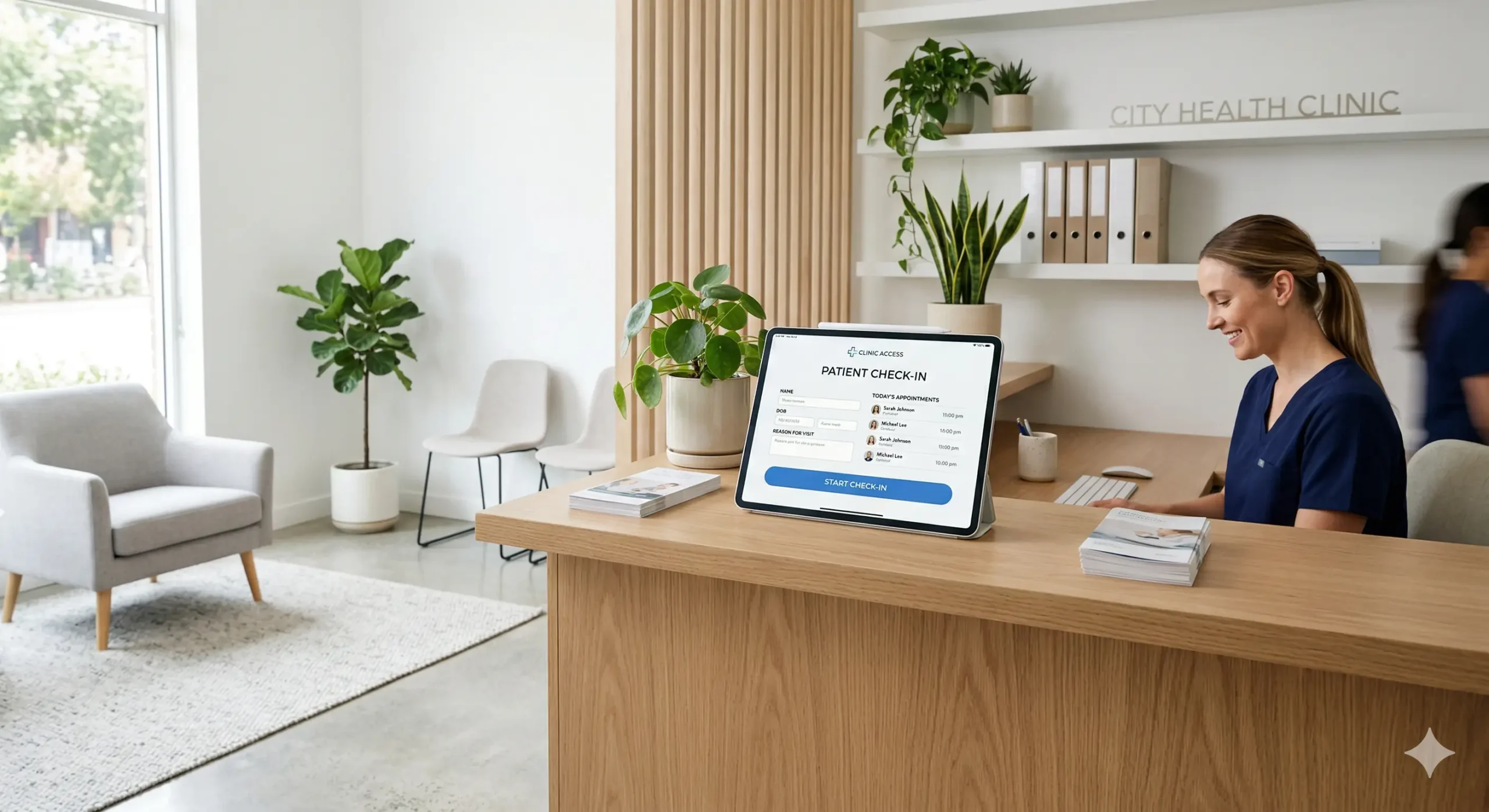
Embracing the Digital Shift in Small Practices
For many small clinics, the dream of integrating advanced technology often feels sidelined by high subscription costs and complex setups. However, the landscape has shifted dramatically in 2026, making powerful automation accessible to everyone.
Running a lean operation doesn’t mean you have to do everything manually. Free AI tools are now sophisticated enough to handle documentation, triage, and even basic administrative scheduling with impressive accuracy.
By leveraging these cost-free resources, solo practitioners and small teams can reclaim hours of their day. This transition allows providers to move away from the glowing screen and back to the patient sitting right in front of them.
Let’s explore the most reliable free AI tools currently empowering small clinics to compete with larger healthcare systems without breaking the bank.
AI Medical Scribes: Saying Goodbye to Paperwork
Documentation is perhaps the heaviest burden in any clinical setting. AI medical scribes use ambient listening to capture patient-physician conversations and transform them into structured clinical notes automatically.
Tools like Heidi Health and Freed have revolutionized this space by offering robust free tiers. These platforms allow you to record a session on your phone and receive a drafted SOAP note in seconds.
Imagine finishing a ten-minute consultation and having 90% of your charting already completed. You simply review, make minor edits, and sync it to your existing patient records.
Note: While these tools are highly accurate, always perform a final clinical review. AI is a powerful assistant, but the clinician remains the final authority on all medical documentation.
Smart Triage and Patient Communication
Managing the influx of patient queries can overwhelm a small front-desk team. AI-powered chatbots and triage assistants can act as a 24/7 digital concierge for your clinic’s website.
Ada Health offers a sophisticated symptom-checking interface that patients can use before they even book an appointment. It helps direct them to the right level of care, whether that is urgent intervention or a routine follow-up.
For administrative tasks, tools like Florence assist with medication reminders and basic health tracking. These automated touchpoints keep patients engaged without requiring manual calls from your staff.
This ” digital front door ” ensures that your clinic stays responsive even after hours, improving patient satisfaction while keeping your internal workflow organized and predictable.
Key Tips for Implementing Free AI Tools
- Check for HIPAA Compliance: Ensure the free tier of any tool provides the necessary security protocols for handling patient data.
- Start with One Workflow: Don’t try to automate everything at once. Begin with documentation or scheduling first.
- Involve Your Staff: Get feedback from your medical assistants or receptionists to see which tools actually make their jobs easier.
- Monitor Your Limits: Most free tiers have monthly usage caps; keep track of these to avoid unexpected service interruptions.
Administrative and Diagnostic Support
Beyond notes and triage, AI can assist in the ” background ” of your clinic. Search engines designed specifically for clinicians, such as OpenEvidence, provide cited, peer-reviewed answers to complex clinical questions.
For clinics that handle their own medical coding, basic AI assistants can now suggest ICD-10 and CPT codes based on the visit summary. This reduces the time spent flipping through coding manuals and helps minimize billing errors.
Even general-purpose tools like the free tiers of ChatGPT or Perplexity can be useful for non-clinical tasks. They excel at drafting patient education materials, clinic newsletters, or staff training protocols.
When used correctly, these tools act as a force multiplier, giving a two-person clinic the administrative output of a much larger organization.
Roadmap to Getting Started
- Identify your clinic’s biggest time-sink (e.g., note-taking or scheduling).
- Sign up for a free-tier tool like Heidi Health or Ada Health to test the interface.
- Run a pilot for one week with a small subset of patients to gauge efficiency.
- Review the output for accuracy and security compliance.
- Scale the usage across the clinic once the team feels confident with the tool.
The Future of Your Clinic
The barrier to entry for high-tech healthcare has never been lower. For small clinics, free AI tools represent more than just savings; they represent a way to provide more focused, human-centered care.
As these technologies continue to evolve through 2026, the gap between small practices and large institutions will keep shrinking. It all starts with taking that first step toward automation today.
Explore these options, stay curious, and watch as your clinic moves from being overwhelmed by data to being empowered by it.