For over a century, the traditional classroom has operated on a “one size fits all” model. Every student listens to the same lecture, reads the same chapter, and takes the same test at exactly the same time.
While this system helped millions, it often left some students bored because the pace was too slow, while others felt lost because it was too fast. The middle ground was the goal, but many were left behind.
Today, that dynamic is shifting. At livetrackersxyz.com, we are seeing a digital revolution where Artificial Intelligence is making truly personalized learning an accessible reality for everyone, not just a luxury for a few.
What is Personalized Learning in the AI Age
Personalized learning is an educational approach that tailors the instruction, expression of learning, and assessment to each student’s unique strengths and needs.
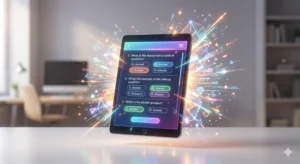
AI acts as a tireless tutor that observes how a student interacts with material. It notices when a student pauses on a paragraph, which quiz questions they get right, and where they consistently struggle.
Think of it like a GPS for education. Instead of just giving everyone the same paper map, AI recalculates the route in real-time based on the student’s current position and speed.
The Mechanics of Adaptive Learning Platforms
The engine behind this shift is known as “Adaptive Learning.” These platforms use sophisticated algorithms to adjust the difficulty and type of content delivered to a learner on the fly.
If a student excels at algebra but struggles with geometry, the AI will automatically serve more foundational geometry exercises while allowing the student to move quickly through the algebra modules.
This prevents the frustration of repetitive work. It ensures that every minute spent studying is focused on the “Goldilocks zone”—material that is not too easy to be boring, but not too hard to be discouraging.
Enhancing the Teacher-Student Connection
A common concern is that AI might replace teachers, but the reality is quite the opposite. By handling the repetitive data tracking, AI frees teachers to do what they do best: mentor and inspire.
AI tools provide teachers with detailed dashboards. Instead of grading 30 identical worksheets to find a pattern, the teacher sees an instant report highlighting exactly which five students need extra help with fractions.
This allows for “micro-interventions.” A teacher can pull aside a small group for a targeted five-minute session that addresses their specific hurdle, making the entire classroom more efficient.
Implementing AI Tools: A Roadmap for Success
If you are an educator or a self-directed learner looking to integrate these tools, following a structured path can help maximize the benefits of automation.
- Identify Learning Goals: Clearly define what skills or knowledge areas you want to improve before choosing a tool.
- Select an Adaptive Platform: Choose tools like Khan Academy, Duolingo, or DreamBox that offer built-in AI feedback loops.
- Set a Baseline: Allow the AI to conduct an initial assessment to determine your current starting point.
- Review Progress Data: Regularly check the analytics to see where the AI is identifying consistent gaps in understanding.
- Adjust Human Support: Use the data to seek out specific human help or additional resources for the hardest topics.
Practical Examples of AI at Work
Consider a language learner using an app like Duolingo. The AI notices they always forget the feminine form of adjectives. Consequently, the app will sprinkle more of those specific exercises into their daily lessons.
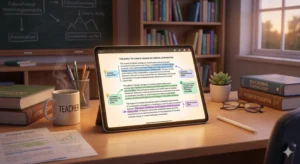
In a university setting, an AI writing assistant might suggest that a student’s thesis lacks transition words. It doesn’t just fix the error; it explains why the transition is needed, teaching the student as they write.
The Importance of Data Privacy and Ethics
As we move toward a more data-driven educational model, the conversation around privacy becomes paramount. Every click and answer is a piece of data about a student’s cognitive process.
It is vital that platforms maintain high standards of transparency. Learners and parents should know exactly how their data is being used to improve the learning experience and that it is kept secure.
Ethical AI must also guard against bias. We must ensure that the algorithms are trained on diverse datasets so they can support students from all backgrounds and learning styles equally.
Notes on Modern Learning: It is important to remember that technology is the tool, not the goal. The goal remains deep understanding and the ability to apply knowledge in the real world.
Conclusion: A More Inclusive Future
Personalized learning using AI is more than just a technological trend; it is a shift toward a more compassionate and effective way of sharing knowledge.
When we treat every learner as an individual with their own rhythm and style, we unlock potential that might have remained hidden in a traditional, rigid system.
At livetrackersxyz.com, we believe that as these tools become more refined and accessible, we will see a generation of learners who are more confident, more capable, and more curious than ever before.